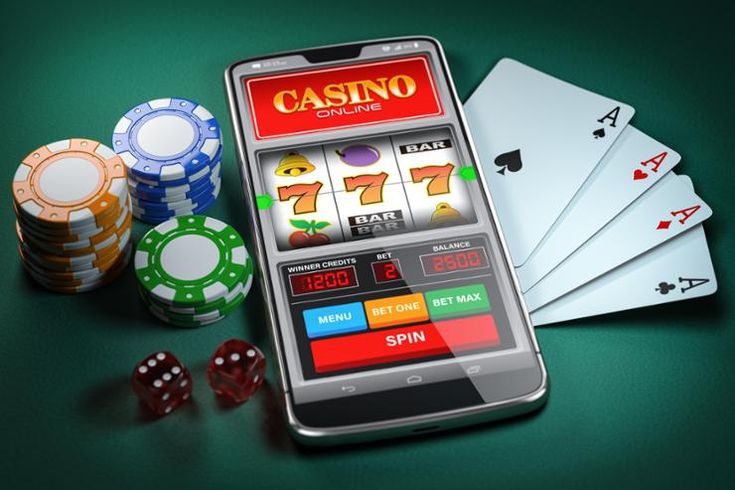
Gambling has existed in some form for thousands of years, but the last two decades have completely rewritten how people engage with it. The introduction of online casino games has taken an activity once tied to physical locations and turned it into something accessible from almost anywhere on earth. Players no longer need to plan a trip to a casino resort or find a local venue that offers the games they enjoy. Instead, an entire universe of slots, card games, and live entertainment sits inside a web browser or mobile app. This shift did not happen overnight; it required advances in internet infrastructure, payment processing, and digital security before it could gain widespread trust. Today, online casinos represent a multi-billion dollar global industry that continues to expand into new markets every year. Understanding how this industry works, what it offers, and what risks it carries is useful for anyone curious about its growing presence in everyday life.
One of the most appealing aspects of online casino platforms is the sheer diversity of games on offer, which can overwhelm newcomers at first glance. Slot machines dominate most platforms, with thousands of titles built around different themes, bonus structures, and volatility levels to suit different types of players. Card and table games such as blackjack, poker, and roulette bring a more strategic element, rewarding players who understand odds and betting patterns rather than relying purely on luck. Live dealer games have surged in popularity because they replicate the social atmosphere of a physical casino, streaming real dealers who interact with players through chat features in real time. Sports betting and virtual sports have also become intertwined with many online casino platforms, blurring the line between traditional gambling and wagering on real-world or simulated events. Niche categories like bingo, scratch cards, and instant-win games attract players who prefer quick, low-commitment sessions over longer strategic play. This enormous range means that operators are constantly competing to introduce new and exclusive titles to keep their audience engaged.
Behind every online casino game lies a layer of technology that most players never think about but that fundamentally determines whether the experience is fair. Random number generators are the mathematical engines that decide outcomes in slots and many table games, and they are designed to produce results that are statistically unpredictable and free from manipulation. Independent testing labs regularly audit these systems to confirm that the software behaves as advertised, and reputable operators publish their certification results for transparency. Encryption technology protects sensitive player data and financial transactions, using the same standards found in online banking to prevent breaches. Mobile app development has become a major focus area, since a growing majority of players now access these platforms through smartphones rather than desktop computers. Streaming technology has advanced significantly as well, enabling live dealer games to run smoothly even on modest internet connections. As these technologies continue to mature, the gap between digital and physical casino experiences keeps narrowing.
Regulation is arguably the most important factor separating trustworthy online casinos from risky ones, yet it is often the aspect players understand least. Licensing bodies vary from country to country, with well-established regulators like the UK Gambling Commission and the Malta Gaming Authority setting standards that many operators strive to meet. These regulators require platforms to demonstrate fair game outcomes, secure handling of player funds, and adherence to responsible gambling guidelines before granting or renewing a license. In jurisdictions without clear regulation, players face significantly higher risks, including delayed payouts, unfair terms, and limited recourse if something goes wrong. Some countries have taken a restrictive approach, banning online gambling entirely or allowing only state-run operators to offer such services. Others have embraced a more open regulatory model, licensing multiple private operators while enforcing strict compliance requirements. Because the legal status of online gambling differs so widely by location, checking local laws before signing up for any platform is a necessary first step for any prospective player.

Financial transactions form another critical piece of the online casino experience, and the available options have expanded considerably over time. Bank cards and traditional transfers remain common, though processing times and fees can vary depending on the bank and the operator’s location. Digital wallets have grown in popularity because they offer faster deposits and withdrawals while keeping a layer of separation between a player’s primary bank account and the gambling platform. Cryptocurrency options have also emerged as a significant trend, particularly among players who prioritize privacy and appreciate the speed of blockchain-based transactions. Withdrawal experiences differ enormously across operators, with some processing payouts within hours and others taking over a week, which can be a major source of frustration. Trustworthy platforms tend to be upfront about these timelines, publishing clear information about fees, minimum withdrawal amounts, and verification requirements. Players are generally well served by researching payment reviews and starting with smaller transactions to gauge reliability before committing larger amounts of money. For more information please visit 1ECL
The psychological side of online gambling deserves just as much attention as the technical and financial aspects, since the convenience that makes these platforms appealing can also make them harder to moderate. Traditional casinos naturally limit play through operating hours, travel requirements, and social visibility, none of which apply to a platform that is available around the clock from a phone in someone’s pocket. This constant accessibility can make it more difficult for some players to recognize when a gaming habit has shifted into something more concerning. Reputable operators have responded by building responsible gambling tools directly into their platforms, including deposit limits, session timers, and options for players to self-exclude for set periods. Some regions have made these features a legal requirement, while others leave implementation entirely up to individual operators, resulting in inconsistent protections across the industry. Support services and gambling helplines have also expanded their digital presence, recognizing that many people now seek help online rather than through phone calls or in-person visits. Treating these games strictly as entertainment, setting firm budgets in advance, and recognizing early warning signs remain the best tools any player has for keeping their experience positive.
The future of online casino gaming appears set for continued growth, driven by expanding internet access, evolving technology, and shifting cultural attitudes toward gambling in general. Emerging markets across Asia, Latin America, and Africa represent substantial growth potential as more regions develop clear regulatory frameworks. Virtual reality and augmented reality technologies are beginning to make appearances on select platforms, hinting at a future where digital casinos could feel almost indistinguishable from physical ones. Younger audiences are also reshaping the market, showing particular interest in skill-based games and esports betting rather than purely luck-driven slots. Increased competition among operators continues to benefit players through better bonuses, wider game selections, and improved customer service standards. At the same time, regulators and public health advocates are likely to keep pushing for stronger consumer protections as the industry expands. For anyone exploring this space, the fundamentals remain unchanged: choose licensed platforms, understand the games before wagering, and always gamble within personal limits.